Portfolio construction
Foreign exchange without a forecast
A framework for identifying currency exposure, setting hedging objectives and governing foreign exchange decisions without relying on forecasts.
5 min read
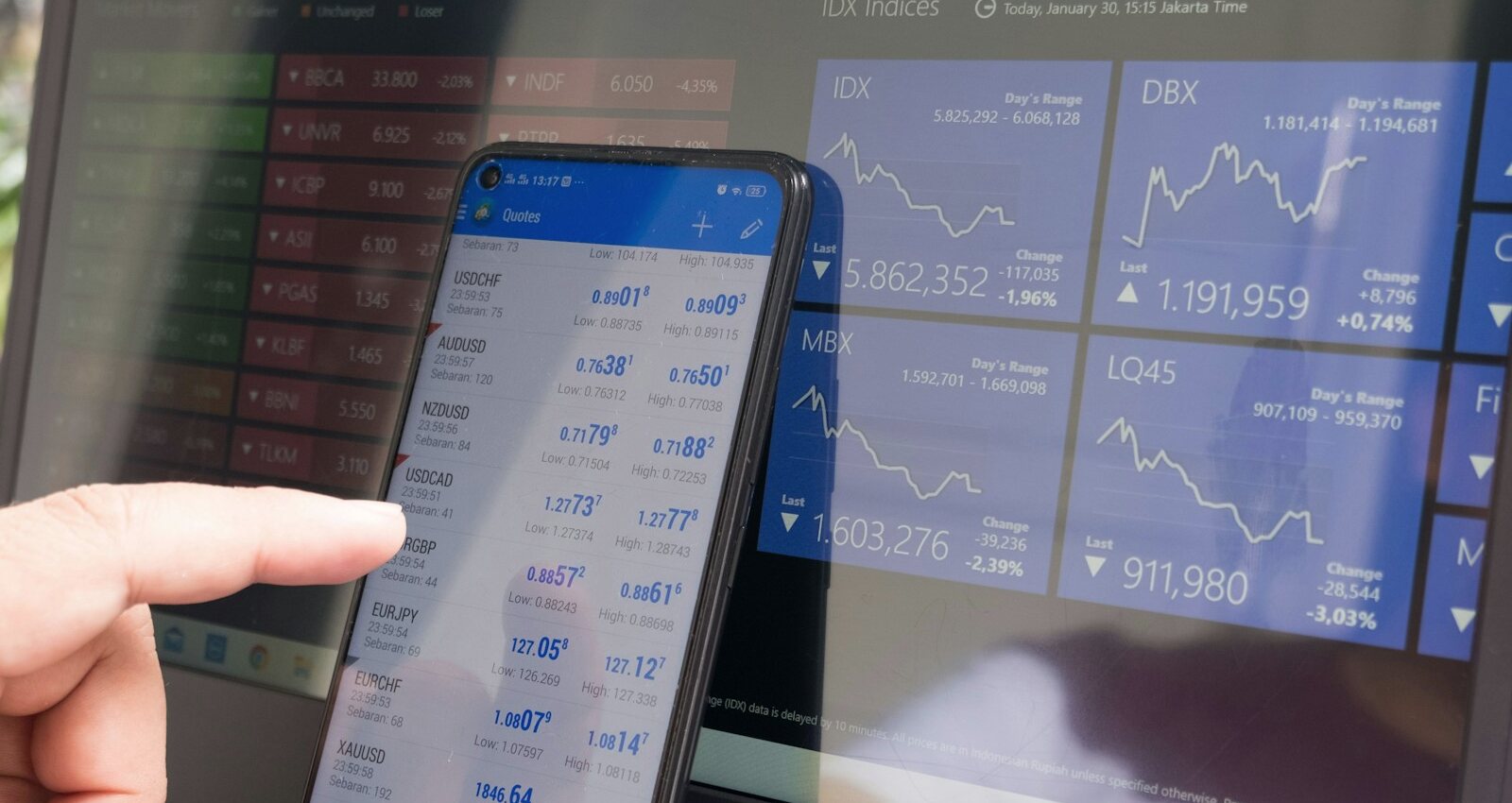
Currency affects portfolios through asset values, income, commitments and future spending, often in different directions. A durable foreign-exchange framework begins by naming which uncertainty matters and what a hedge is intended to protect, rather than beginning with a view on the next exchange-rate move. It then connects instruments, liquidity and decision rights so that implementation remains consistent when market narratives change.
Name the exposure before the currency view
The currency printed on an asset statement is only the starting point. A business may report in one currency, earn revenues in several others and incur costs in still another, while a fund can add a separate layer through its denomination and financing. These economic exposures can differ materially from the portfolio labels used for reporting.
The relevant lens also depends on the obligation being considered. Translation into a reporting currency affects measured portfolio value, but a future capital call, distribution or family expenditure creates a cash-flow exposure at a particular time. Mapping currency, amount, timing and underlying economic drivers prevents distinct risks from being compressed into one net figure.
Choose the uncertainty to manage
Hedging can serve several objectives: narrowing variation around a known payment, stabilising reported values or reducing the influence of currency on an asset allocation. Those aims are not interchangeable. A policy designed around near-term cash needs may look different from one concerned with the long-horizon economic value of overseas assets.
No hedge removes uncertainty in every dimension. Reducing translation effects can alter liquidity needs, while fixing the exchange rate for an expected cash flow can create a mismatch if the amount or date changes. Stating the objective and acceptable residual exposure makes these trade-offs visible without requiring confidence in a directional forecast.
A currency policy is strongest when it defines the uncertainty to manage before asking which direction an exchange rate might move.
Implementation creates its own risks
Forwards, options and currency borrowing distribute risk differently across price, flexibility and cash flow. Contract tenor, reset frequency, counterparty terms and the relationship between the chosen instrument and the underlying exposure all affect the result. A hedge that is close in name but imperfect in timing or currency behaviour can leave meaningful basis risk.
Portfolio liquidity matters alongside hedge effectiveness. Collateral calls or contract settlements may arrive when the underlying asset cannot provide cash, particularly in private portfolios with uncertain distributions. Viewing hedges together with available liquidity, expected commitments and offsetting currency flows gives a more complete account than measuring each position in isolation.
Govern rules, exceptions and review
A usable currency policy identifies who sets the objective, who implements it and which departures require approval. Ranges can accommodate changing asset values and uncertain cash flows without turning every movement into a tactical decision. Clear records also distinguish deliberate exposure from drift caused by stale data, delayed rebalancing or an unrecognised commitment.
Review is most productive when it tests whether exposures and objectives have changed, not whether the last market call was correct. Reporting can separate movement in the underlying asset, currency translation, hedge results and implementation costs so each source is understood. This discipline keeps foreign exchange connected to portfolio purpose even when a compelling forecast dominates attention.